
A struggling heat pump on a freezing Fort Collins night can make anyone nervous about breakdowns and big repair bills. Maybe the system seems to run nonstop, the air from the vents feels cooler than you remember, or you notice frost building up on the outdoor unit. It is easy to jump straight to worst-case scenarios and assume you are headed for an expensive repair or a full replacement.
In many Fort Collins homes, what looks like a major failure often turns out to be something simple, or even normal heat pump behavior in cold weather. Other times, the symptoms are a real warning that you should shut the system down and call in a professional. Knowing the difference can save you money, protect your equipment, and help you stay comfortable when the temperatures drop.
At Grant's Heating & Air Conditioning LLC, we have spent more than 20 years working on heat pumps and other HVAC systems across Northern Colorado. We always start with a thorough evaluation and a conversation about what you are seeing at home, and we do not rely on scare tactics or one-size-fits-all recommendations. In this guide, we are sharing practical heat pump troubleshooting steps we walk Fort Collins homeowners through before we ever reach for our tools.
How Heat Pumps Work in Fort Collins Winters
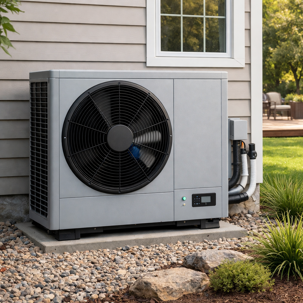
Before you can decide whether your heat pump is acting up, it helps to know how it is supposed to behave, especially in our climate. A heat pump does not create heat the way a gas furnace does. Instead, it moves heat from one place to another using refrigerant, a compressor, an indoor coil, an outdoor coil, and fans that move air across those coils. In heating mode, the outdoor unit pulls heat from the outside air, even when it feels cold to you, and the indoor coil releases that heat into your home.
As outdoor temperatures drop, there is less heat available in the air, and the heat pump has to work harder and run longer to maintain your thermostat setting. Long run times on a cold Fort Collins night can actually be normal for a properly working heat pump. Many systems are designed to run almost continuously when temperatures fall near the lower end of their efficient range, and that steady operation can be more efficient than short, hot bursts from a furnace.
Most heat pumps also have some form of auxiliary or backup heat. This might be electric strip heaters in the air handler or a gas furnace that kicks in when it gets very cold or when the heat pump cannot keep up on its own. When auxiliary heat runs a lot, you may notice warmer air at the vents and higher energy bills. The key is whether the heat pump is still doing most of the work, or whether the backup is covering for a problem. During our evaluations, we look closely at how and when backup heat comes on, because that tells us if the system is just hitting its limits in our climate, or if something in the heat pump circuit is underperforming.
In Fort Collins, winter weather adds another factor. Cold, dry air, overnight lows below freezing, and occasional snow and ice can push a weak or poorly maintained system over the edge. We often see patterns where a heat pump that is slightly dirty or marginally charged works fine in mild weather, but as soon as a cold snap hits, it struggles to reach setpoint and starts relying heavily on auxiliary heat. Understanding that connection between outdoor conditions and your heat pump’s behavior is the first step in smart troubleshooting.
Heat Pump Blowing Cool Air in Heating Mode
One of the most common calls we get is from Fort Collins homeowners who say the heat pump is running, but the air from the vents feels cool. Compared to a gas furnace, which can deliver very hot supply air, a heat pump usually blows out air that is warm but not hot. It is common for the supply air from a heat pump to feel less intense on your skin, especially if your hands are cold or you are standing right in the airflow.
If the air feels truly cool or room temperature after the system has been running for a while, there may be an issue. Sometimes the cause is as simple as a thermostat setting. Make sure the thermostat is in “heat” mode, not “cool” or “off,” and check that the fan is set to “auto,” not “on.” If the fan is set to “on,” it will blow air continuously, even when the heat pump is not actively heating, which can make the air feel cool between heating cycles.
Another situation that confuses a lot of homeowners is the defrost cycle. In cold, damp weather, the outdoor unit can accumulate frost on the coil. To clear this, the heat pump periodically switches into defrost mode, where it temporarily reverses operation to send hot refrigerant to the outdoor coil. During this short period, the indoor coil is not heating the air the same way, so you may feel cooler air indoors and hear a change in sound outside. You may also see steam rising from the outdoor unit. This is usually normal and should last only a few minutes at a time.
If your heat pump never seems to blow warm air, or if the thermostat is set correctly and you do not just catch it during a brief defrost cycle, simple DIY steps can help. Replace or clean the air filter if you have not done so recently, since restricted airflow can make the system feel weaker. Check several supply vents to be sure they are open and that you feel some airflow. Take a quick look at the outdoor unit from a safe distance. The fan should spin in heating mode, and you should not see the unit completely buried in ice. If everything appears normal and you still only get cool air, low refrigerant charge, a failing reversing valve, or a problem in the compressor circuit may be to blame. These are not safe DIY items, and that is when we recommend scheduling a professional evaluation.
Heat Pump Runs Constantly and Still Struggles to Reach Setpoint
Another frequent concern we hear is that the heat pump seems to run non-stop, yet the house does not quite reach the thermostat setting. In Fort Collins, this often shows up during very cold nights or extended cold spells. Heat pumps are designed to move a certain amount of heat at a given outdoor temperature, and as the temperature drops, there is simply less heat available in the outside air. Your system has to run longer to maintain the same indoor temperature.
There is a concept called the “balance point,” which is the approximate outdoor temperature where the heat pump alone can no longer carry the full heating load of the home. Below this point, the system depends more on auxiliary or backup heat to keep up. While we do not expect homeowners to calculate that point, it helps to understand that near or below that temperature, longer run times and some backup heat use can be expected. However, if your system runs constantly even in milder weather, or still cannot get close to your set temperature, something else is going on.
One of the most common and easily fixable causes is restricted airflow. A dirty filter, closed or blocked supply vents, or a return grille that is covered by furniture can choke the system. This forces the heat pump to work harder, reduces the amount of heat it can move, and can eventually contribute to icing and premature wear. Start by replacing the air filter, opening all supply vents, and making sure return grilles are clear. These simple steps often improve both comfort and run time.
The outdoor unit also needs room to breathe. Leaves, grass clippings, snow, or other debris packed around the cabinet or coil can reduce airflow and performance. In Fort Collins, snowdrifts can partially bury a low-mounted unit after storms, which we see every winter. Gently clear loose snow and debris from around the unit and make sure there is at least a couple of feet of clearance on all sides. If the unit is in a low spot where water pools and refreezes, that can also contribute to icing and poor performance.
Sometimes, constant running points to deeper issues, such as an undersized system, leaky ductwork, or a refrigerant problem. During our professional evaluations, we look at more than just the outdoor unit. We assess duct sizing, airflow, insulation, and whether the equipment is appropriately matched to the home. Our goal is to fix the root cause, not just mask the symptom with more backup heat or higher thermostat settings.
Outdoor Unit Covered in Frost or Ice
Seeing frost, ice, or steam around the outdoor unit can be alarming, especially at night. A thin layer of frost on the outdoor coil is common in cold, humid conditions, and your heat pump is designed to deal with it. During the defrost cycle, the system temporarily shifts operation so hot refrigerant flows through the outdoor coil, melting the frost. You may hear the outdoor unit change sound, see steam rising, and even notice a brief pause in heating indoors. This should clear the frost and return to normal operation.
The problem is when the unit never seems to clear or becomes encased in thick ice. Heavy ice buildup compresses the coil surface and blocks airflow. The system then has to work even harder, which can lead to more icing, reduced heating capacity, and eventual damage to components. Common causes of this kind of icing include restricted airflow around the unit, failed defrost sensors or controls, low refrigerant charge, or drainage issues where meltwater refreezes around the base.
There are several safe steps you can take before calling for service. First, turn off power to the unit at the thermostat so it does not try to run while you are working around it. Gently remove loose snow or leaves from around the cabinet and clear a path for air to flow through the coil. Do not use sharp tools, hammers, or screwdrivers on the ice, since the fins and tubing on the coil are thin and can be easily punctured. If the unit is installed in a low spot where water tends to collect, look for signs that melted frost is refreezing at the bottom and trapping the unit in ice.
After you clear the area and restore power, watch the unit over the next heating cycle. Some residual ice may melt during the next defrost sequence. If the ice does not melt, quickly reforms, or covers most of the coil, shut the system off and call for service. Continuing to run a heavily iced unit can damage the compressor, fan motor, or other components. When we respond to these calls, we check the defrost controls, temperature sensors, refrigerant circuit, and airflow conditions carefully. Our focus is on solving the underlying problem and, where possible, improving the installation so the same icing pattern does not keep returning each winter.
Unusual Noises, Vibrations, and Burning Smells
Strange sounds or smells from a heat pump make most homeowners understandably nervous. Some noises are part of normal operation and are easy to misinterpret. Others are serious warning signs that you should shut the system down and call a technician. Knowing the difference can protect both your safety and your equipment.
Normal sounds include the gentle hum of the compressor outdoors, the whoosh of air through your vents, and occasional clicking as ducts expand and contract with temperature changes. During defrost, the outdoor unit may make a louder swooshing sound as the reversing valve shifts and the refrigerant flow changes direction. You might also hear the outdoor fan stop briefly during defrost and then restart.
Warning sounds usually involve grinding, screeching, loud buzzing, or rattling that does not go away. Grinding or screeching can indicate failing bearings in a fan motor or blower assembly. Loud rattles may mean a loose panel, component, or fan blade that is making contact with the housing. A strong electrical buzzing can point to stressed electrical components or a failing contactor. These issues can escalate quickly if the unit continues to run.
Smells deserve careful attention as well. At the beginning of the heating season, it is common to notice a mild burning-dust odor as the system burns off dust that collected on the electric elements or in the ductwork over the summer. This should fade quickly. A sharp electrical smell, a hot plastic odor, or anything that smells like active burning is different. In those cases, shut the system off at the thermostat and at the breaker if it is safe to do so, and call for service right away.
At Grant's Heating & Air Conditioning LLC, we take these calls seriously because they touch both comfort and safety. We do not cut corners on electrical and mechanical inspections, and we do not recommend that homeowners open access panels or attempt to tighten internal components themselves. When we arrive, we listen to the system, check mounting, fans, and motors, and test electrical components with proper tools. Our goal is to stop damage early and keep your system safe to operate, not just quiet it down for the moment.
High Energy Bills After Switching to a Heat Pump
Many Fort Collins homeowners choose heat pumps for their efficiency, so it can be frustrating to see a utility bill spike after a cold month. Sometimes, the bill reflects colder weather and more heating hours. Other times, it is a sign that the system is relying too much on auxiliary or emergency heat, which can be more expensive to run.
In most homes with heat pumps, the primary heating work is done by the compressor circulating refrigerant. This is typically the most efficient mode of operation. Auxiliary or emergency heat, such as electric resistance elements, uses more energy to produce the same amount of heat. If the heat pump struggles to extract enough heat from the outdoor air, the controls may call for auxiliary heat more often or keep it on for longer periods.
Thermostat habits can play a bigger role in this than many people realize. Large temperature setbacks at night or when you leave the house can cause the system to call for auxiliary heat when you ask it to recover several degrees quickly. In cold Fort Collins weather, that can mean long stretches where the more expensive backup heat runs to catch up. We often recommend moderate setbacks or even steady settings with heat pumps, especially during the coldest weeks, to reduce that energy penalty.
There are several checks you can do on your own. Review your thermostat settings and schedule, and look for any aggressive setbacks or jumps in temperature. If your thermostat shows when auxiliary or emergency heat is running, pay attention to how often that indicator lights up. Replace your filter and make sure vents and returns are clear to support strong airflow. Then compare your recent bill to the same month last year, along with how cold it was during each period. If the usage is much higher than you would expect based on weather and thermostat settings, the heat pump may not be performing efficiently and could need a professional check.
During our evaluations, we frequently uncover issues that drive up energy use without obvious comfort changes, such as incorrect thermostat wiring, misconfigured heat pump settings, or controls that bring on auxiliary heat too quickly. We focus on explaining what we find in plain language and outlining options that balance efficiency and comfort for your specific home, instead of pushing a replacement based on a high bill alone.
Safe DIY Heat Pump Checks You Can Do Right Now
When your heat pump acts up, there are several safe checks you can perform before scheduling a service call. These steps do not require tools or access to internal components, and they can often rule out simple problems that do not justify a technician visit. They also give you useful information to share if you do end up calling for service.
Start indoors at the thermostat. Confirm it is set to “heat,” the temperature is set where you want it, and the fan mode is on “auto,” not “on.” If your thermostat uses batteries, replace them if they are old or if the display appears dim. Next, check your air filter. If it looks gray, packed with dust, or you cannot see light through it, replace it with the correct size and type. Then walk through your home and make sure all supply vents are open and not blocked by rugs, furniture, or curtains, and that return grilles are not covered.
At your electrical panel, you can verify that the breaker for the air handler or heat pump is in the “on” position. If you find it tripped, you can try resetting it once. If it trips again, do not keep resetting it. Repeated tripping points to an underlying electrical or mechanical issue that needs professional attention. Do not open disconnects or panels at the equipment itself.
Outdoors, look at the heat pump cabinet and the area around it. Clear away leaves, grass, or debris that are blocking the sides or top. After a snow, gently remove loose snow from around and on top of the unit so the coil and fan have open airflow. Check that the unit appears reasonably level and that there is not a sheet of ice pinning it down. Do not attempt to wash the unit with a hose in freezing weather, and do not pry or chip ice off the coil surface.
As you work through these steps, pay attention to what you hear and feel. Note any unusual noises, areas with little or no airflow, or vents blowing significantly cooler air than others. If you end up calling Grant's Heating & Air Conditioning LLC, this information helps us understand what is happening before we arrive. These are the same first checks we often walk our Fort Collins customers through on the phone, because we would rather help you solve a simple issue quickly than schedule a visit you may not need.
When to Call a Fort Collins Heat Pump Technician
DIY troubleshooting has limits, and knowing where that line sits can protect your home and your equipment. There are situations where you should stop troubleshooting, shut the system down, and call a professional right away. There are also times when the system still runs, but a careful evaluation can prevent a bigger breakdown or repeated comfort problems down the road.
Shut the system off and call for service immediately if you notice burning or electrical smells that do not fade after a short initial warm-up, loud grinding, screeching, or metal-on-metal noises from the indoor or outdoor unit, heavy ice that covers most of the outdoor coil and does not melt after a defrost cycle, or a breaker that trips again after you reset it once. These conditions can damage components or create safety risks if the unit continues to run.
There are other warning signs that call for a professional evaluation even if the system still produces some heat. These include chronic short cycling, where the system starts and stops frequently, unusually high energy bills that do not match your thermostat settings or the weather, rooms that never seem to reach the set temperature even after you have checked filters, vents, and basic items, and repeated error codes on a thermostat or control panel if your system has one. In these cases, you may not be facing an emergency, but waiting often leads to more wear, higher costs, or a complete breakdown at the worst time.
When you call Grant's Heating & Air Conditioning LLC, we approach your heat pump the same way we would if it were in our own homes. We perform a thorough evaluation from the thermostat to the outdoor unit, checking controls, airflow, refrigerant conditions, and how the system responds under real operating conditions. We focus on quality over quantity, taking the time to explain what we find and laying out your options without pressure or scare tactics.
If you already have a quote from another company and are not sure it addresses the real problem, we are happy to provide a second opinion. Our goal is to build long-term relationships with Fort Collins homeowners, not just complete a single repair. When you are ready for a careful, honest look at your heat pump, we are ready to help.
Get Comfortable Help With Heat Pump Troubleshooting in Fort Collins
Many heat pump issues in Fort Collins start with small, fixable problems like dirty filters, blocked airflow, or thermostat settings that work against the system in cold weather. Other problems are early signs of mechanical or electrical trouble that you cannot safely solve on your own. By understanding how your heat pump behaves in our climate and working through simple, safe checks, you can often narrow things down before anyone picks up a wrench.
When your system still struggles after those steps, or when you see clear red flags like heavy ice, burning smells, or repeated breaker trips, that is the time to bring in a trained eye. At Grant's Heating & Air Conditioning LLC, we pair over two decades of Northern Colorado HVAC experience with a commitment to education, safety, and doing the job right the first time. We will walk you through what we find, discuss options that fit your home, and treat you like we would treat our own family.
If your heat pump is giving you trouble and you want clear answers instead of guesses, reach out and schedule a professional evaluation or a free second opinion today.